
For many families, hearing the words “your child has sickle cell disease” can bring a flood of emotions – fear, confusion, uncertainty, and countless questions. What does this mean for your child’s future? Will they be able to live a normal life? What can you do to help?
These are real questions, and if your family is navigating this journey, you are not alone.
At Funmilola Sickle Cell Foundation, we believe that knowledge saves lives, early awareness changes outcomes, and compassionate support helps families face sickle cell with courage. Our mission is simple but powerful: to provide education, support, advocacy, and practical medical assistance for individuals and families affected by sickle cell.
If you are a parent, caregiver, sibling, spouse, or someone who simply wants to understand this condition better, this guide will help you understand what every family should know.
What Is Sickle Cell Disease?
Sickle cell disease (often called SCD) is one of the world’s most common inherited blood disorders. It affects the red blood cells – the cells responsible for carrying oxygen throughout the body.
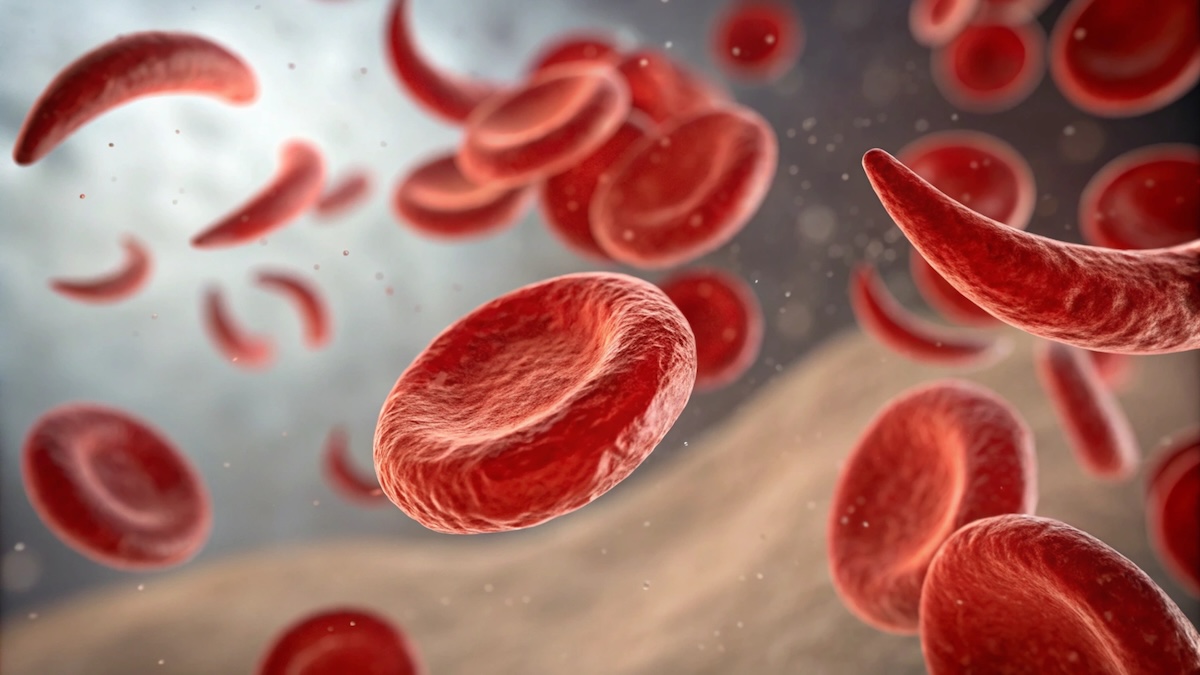
Normally, red blood cells are round, flexible, and move easily through blood vessels. In someone living with sickle cell disease, some red blood cells become hard, sticky, and shaped like a crescent or “sickle.”
Because of their shape, these cells can block blood flow in small blood vessels, leading to pain, organ damage, infections, anemia, and other serious complications.
According to the U.S. Centers for Disease Control and Prevention, sickle cell disease affects approximately 100,000 people in the United States, and millions more worldwide.
In countries across Africa – including Nigeria – the condition affects thousands of children and adults every year, making awareness and early intervention critically important.
How Is Sickle Cell Disease Inherited?
One of the most important things every family should understand is that sickle cell disease is genetic.
A child develops sickle cell disease when they inherit a sickle cell gene from both parents.
This means:
- If both parents carry the sickle cell trait, there is a 25% chance their child may have sickle cell disease.
- There is also a chance the child may inherit only the trait or may not inherit it at all.
This is why genotype testing before marriage or family planning is so important.
Practical Advice for Families:
Before marriage or having children, both partners should know their genotype. A simple test can prevent future heartbreak and help families make informed decisions.
At Funmilola Sickle Cell Foundation, one of the things we stand for is free education and genotype awareness, because prevention starts with knowledge.
Does Sickle Cell Only Affect Africans?
This is one of the most common misconceptions.
While sickle cell disease is more common among people of African ancestry, it is not limited to one race or region.
It also affects people with ancestry from:
- Mediterranean countries
- The Middle East
- India
- Latin America
- The Caribbean
Sickle cell is a global health issue – not a racial identity.
Understanding the Different Types of Sickle Cell Disease
Not all sickle cell disease is the same.
There are different forms, but Hemoglobin SS (HbSS) is the most common and often the most severe. It is commonly known as sickle cell anemia. This happens when a child inherits Hemoglobin S genes from both parents.
Other forms exist and may have different severity levels.
Why This Matters for Families
Two children with sickle cell disease may have very different experiences. One may have frequent pain crises, while another may go months without symptoms.
That is why individualized medical care matters.
Signs and Symptoms Families Should Never Ignore
Symptoms may begin in infancy or early childhood.
Some early warning signs include:
1. Pain Episodes
Pain crises happen when sickled blood cells block blood flow.
Pain may affect:
- Arms
- Legs
- Chest
- Back
- Abdomen
- Joints
These episodes may last hours or even days.
2. Frequent Tiredness
Because sickled cells die early, the body often doesn’t have enough healthy red blood cells, leading to anemia.
Children may seem:
- Weak
- Easily tired
- Less active
- Short of breath
3. Swollen Hands and Feet
Painful swelling in hands or feet is often one of the earliest symptoms in young children.
4. Frequent Infections
Sickle cell can weaken the spleen, making children more vulnerable to infections.
Repeated fevers should never be ignored.
5. Breathing Difficulties
Children with sickle cell may experience:
- Asthma-like symptoms
- Recurrent pneumonia
- Sleep-related breathing issues
Breathing problems are often under-recognized but common.
How Is Sickle Cell Diagnosed?
Sickle cell disease cannot be diagnosed by appearance alone.
Doctors usually recommend specialized blood tests such as:
- Complete Blood Count (CBC)
- Hemoglobin Electrophoresis
These tests help identify:
- Whether a person has sickle cell trait
- Whether they have sickle cell disease
- The type of hemoglobin present
Family Tip:
If there is any family history of sickle cell, do not wait until symptoms appear. Early testing can save lives.
Common Complications Families Should Understand
Sickle cell affects more than blood.
Over time, it can affect:
The Brain
Blocked blood flow may increase stroke risk.
The Lungs
Acute chest syndrome is a medical emergency.
The Kidneys
Long-term damage may occur.
The Bones and Joints
Poor circulation may lead to pain and mobility challenges.
The Immune System
Repeated infections can become life-threatening.
Knowing these risks helps families seek help early.
Treatment Options That Can Change Lives
While there is no universal cure for everyone yet, treatment has advanced significantly.
Hydroxyurea
This remains one of the most effective treatments.
It can help:
- Reduce pain crises
- Reduce hospital visits
- Improve survival rates
Other Treatment Options
Doctors may recommend medications such as:
- Crizanlizumab
- L-glutamine
These treatments can help reduce complications.
Blood Transfusions
Some patients may need blood transfusions during severe complications.
This is why blood donation is so important.
At Funmilola Sickle Cell Foundation, supporting access to care and treatment remains at the heart of what we do.
Is There a Cure?
Currently, the most established curative option is bone marrow transplantation for eligible patients.
Gene therapy is also creating new hope, with newer treatments being developed and approved in recent years.
While not every patient qualifies today, the future is brighter than ever.
Daily Care Tips Every Family Should Practice
Living with sickle cell requires daily awareness.
Encourage Hydration
Dehydration can trigger pain crises.
Children and adults should drink enough water every day.
Protect Against Extreme Weather
Very cold or very hot weather may trigger symptoms.
Dress appropriately and avoid exposure.
Keep Medical Appointments
Routine checkups can detect complications early.
Prioritize Vaccinations
Vaccines help reduce infection risks.
Know Emergency Warning Signs
Seek urgent medical care if your loved one experiences:
- Difficulty breathing
- Severe chest pain
- Sudden weakness
- High fever
- Unusual confusion
Emotional Support Matters Too
Families often focus on physical symptoms and forget emotional health.
Children living with sickle cell may struggle with:
- Feeling different
- Missing school
- Social isolation
- Anxiety about pain episodes
Parents may feel exhausted or overwhelmed.
This is why community support matters.
At Funmilola Sickle Cell Foundation, we believe that families need more than medicine – they need hope, education, encouragement, and people who understand.
How Families Can Help Fight Sickle Cell
Every family can make a difference.
You can:
- Learn your genotype
- Educate others
- Donate blood
- Support awareness campaigns
- Volunteer with community organizations
- Advocate for better healthcare access
Even one conversation can save a life.
Final Thoughts
Sickle cell disease may be lifelong, but it does not define a person’s future.
With early diagnosis, proper treatment, informed families, and community support, people living with Sickle Cell Disease can live meaningful, productive, and inspiring lives.
At Funmilola Sickle Cell Foundation, our commitment remains unwavering:
To educate.
To support.
To advocate.
To give hope.